Hermit: The Build Behind My First Hackathon Win
Our team built Hermit to help small-business owners navigate paperwork. I worked on the foundation, UI/UX, frontend, and pitch deck.
- product-design
- hackathon
- frontend
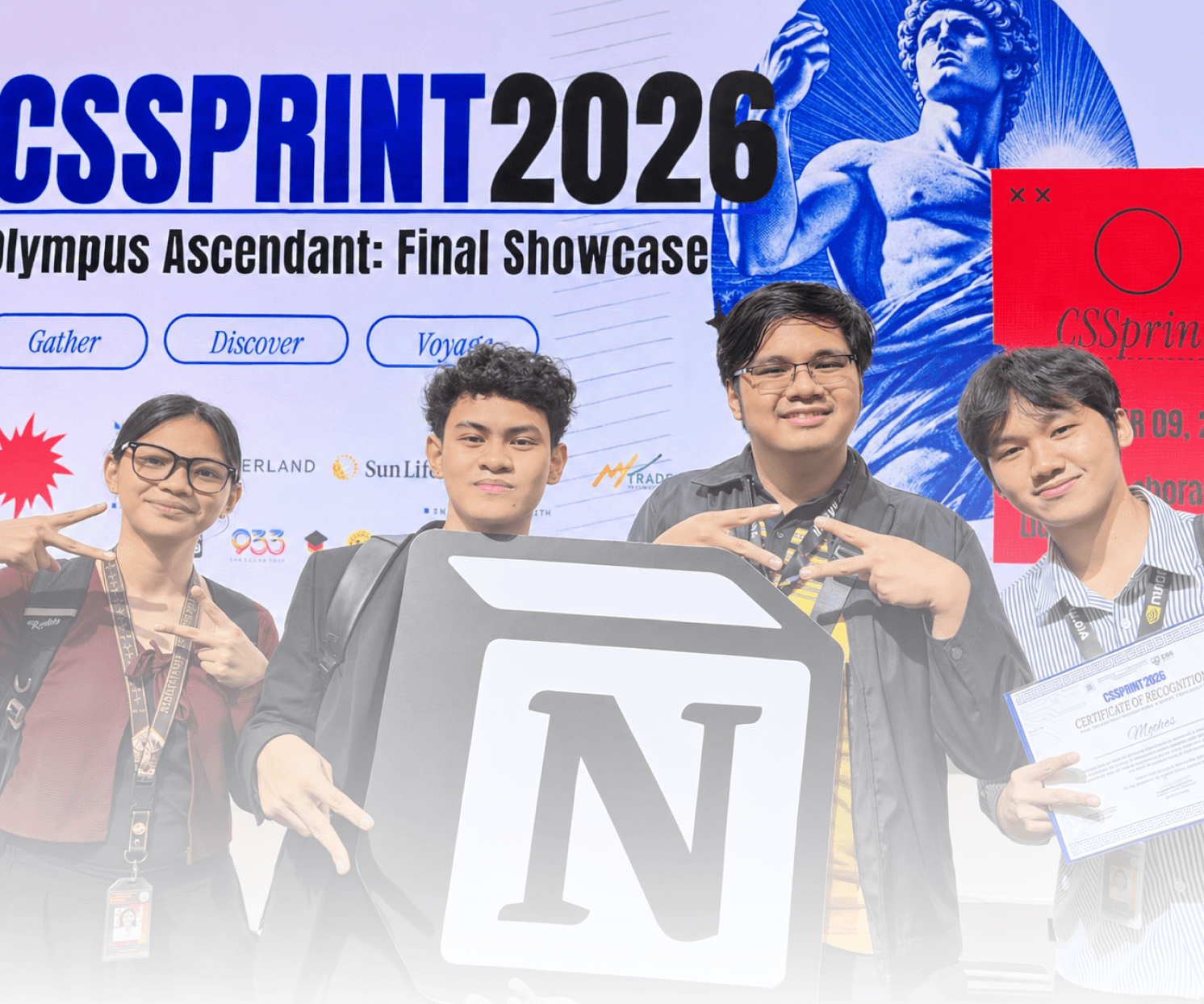
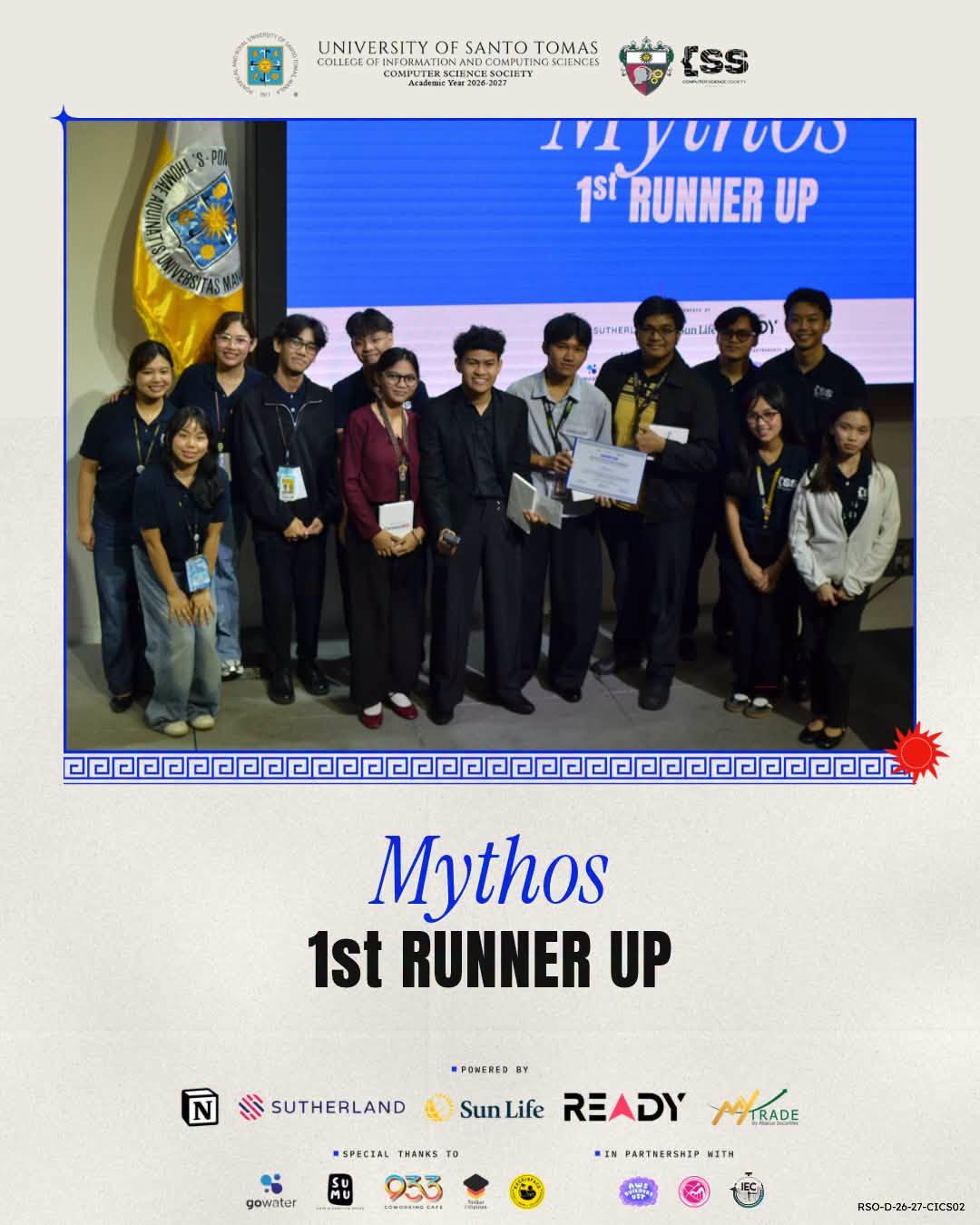
Our team took first runner-up at CSSPrint 2026, the hackathon organized by the UST Computer Science Society, with a project called Hermit.
Hermit explores a practical question. How can we help a small-business owner understand which paperwork applies to their business and what to do next?
I came up with the idea alongside my team and helped plan the features. I built the project's foundation, the entire UI/UX and frontend, and our pitch deck. My teammates built most of the backend.
Giving paperwork a clear starting point
Hermit is a prototype for Philippine micro, small, and medium enterprises. Its onboarding currently focuses on the City of Manila. The product brings business details, requirements, forms, and supporting documents into one workspace. Explore Hermit
The experience starts with the business itself. An owner provides details through guided onboarding, and the system uses that information to assemble a roadmap of relevant requirements. Requirements can include prerequisites and source links, giving the owner more context for the next step.
That creates a concrete interface-design problem. The screen needs to explain what information is being requested, show the resulting requirements clearly, and help the owner move into the work of preparing documents. The onboarding, roadmap, and form screens are connected parts of that journey.
From a requirement to a form
Hermit's form workflow reuses available business information to prefill supported fields. The owner can edit those fields and see which answers are still missing. The interface also provides access to official blank forms and supported PDF filling. Form workflow
Around that journey, the workspace includes a document vault, calendar, dashboard, and an assistant called Kuya Hermit. The assistant is designed to explain requirements using the business and form information available to it. Together, these features give the owner places to prepare, organize, and ask questions about their paperwork. Implementation overview
Designing and presenting the same product
My responsibilities covered both the interactive product and the pitch deck. The frontend made the proposed journey tangible through screens and interactions. The deck gave us another way to present the problem, the idea, and the work we had built as a team.
Hermit remains a hackathon prototype. Agency filing and tracking use demonstration flows, and the requirements library needs official review before real-world reliance. The project gave us a working way to present our approach to business paperwork, and we brought that work to CSSPrint 2026, where our team earned first runner-up. Prototype details